Floor Scrubbers for Supermarket Aisles and High-Traffic Areas
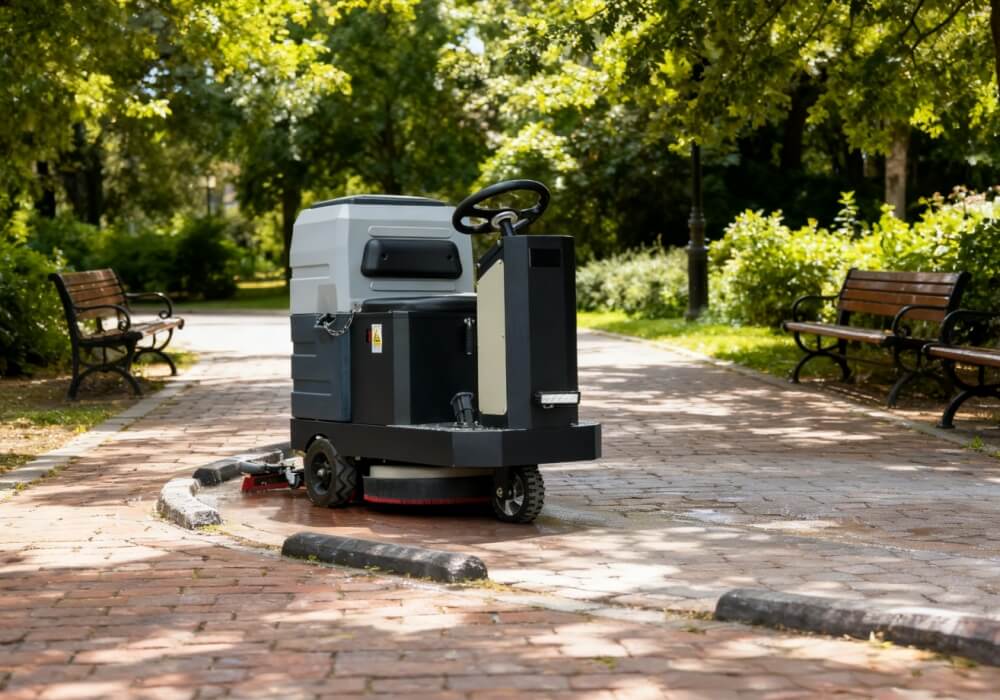
Floor scrubbers designed for supermarket aisles and high-traffic areas help retailers maintain clean floors with less manual work and more consistent results. Modern machines can clean thousands of square feet per hour, reduce water usage by up to 70% compared with traditional mopping, and support daily cleaning in stores operating 12–24 hours. Selecting the right equipment depends on aisle width, flooring type, traffic volume, and cleaning frequency.
Supermarket floors face continuous exposure to dirt, dust, food residue, spilled drinks, and moisture. Unlike office buildings, retail stores often receive thousands of visitors every day. A supermarket with 50,000 square feet of sales space may experience more than 5,000 customer visits daily, creating frequent cleaning requirements in entrance areas, checkout zones, and product aisles.
Floor scrubbers combine brushing, water application, and vacuum recovery in one process. The machine releases a controlled amount of cleaning solution, uses rotating brushes to remove dirt, and collects wastewater immediately. This process helps reduce leftover moisture and allows customers to continue walking through the cleaned area sooner.
“Retail cleaning equipment must handle repeated daily use while maintaining consistent floor appearance across different sections of a store.”
Different supermarket areas require different cleaning approaches. Beverage aisles may need stronger residue removal because sugary liquids can create sticky surfaces. Fresh food areas often require machines with better water recovery because moisture levels are usually higher. Entrance zones collect outdoor particles and need durable brushes for frequent cleaning.
| Supermarket Area | Common Floor Problems | Suitable Scrubber Features |
|---|---|---|
| Entrance areas | Sand, dust, rainwater | Strong suction, wide cleaning path |
| Grocery aisles | Foot marks, dust, spills | Compact design, flexible operation |
| Fresh food sections | Organic residue, moisture | High recovery performance |
| Checkout areas | Heavy traffic marks | Fast drying capability |
The machine type also affects cleaning efficiency. Walk-behind floor scrubbers are widely used in medium-sized supermarkets because they can move through narrow aisles and around shelves. Ride-on models are more suitable for large retail stores because operators can cover larger areas with less physical effort.
A commercial walk-behind scrubber with a 20–30 inch cleaning width can often cover several thousand square feet per hour, depending on floor conditions and operator experience. Ride-on machines with cleaning widths above 35 inches are commonly used in larger facilities where daily cleaning areas may exceed 100,000 square feet.
Battery technology has improved the usability of floor scrubbers. Traditional lead-acid batteries require regular maintenance and longer charging periods, while lithium-ion systems provide longer service intervals and faster charging. Some modern machines can operate for 3–6 hours on a single charge, making them suitable for scheduled cleaning tasks throughout the day.
Water consumption is another factor considered by supermarket operators. Traditional mop cleaning requires repeated bucket replacement, which can increase water usage and leave inconsistent cleaning results. Automated scrubbers control solution flow according to machine speed, helping reduce unnecessary water use by approximately 30%–70% depending on the cleaning method.
The choice of brush system affects how well a scrubber performs on different surfaces. Supermarkets commonly use vinyl composition tile, polished concrete, ceramic tile, and epoxy flooring. Disc brushes work well on smooth surfaces, while cylindrical brushes are useful for textured floors where dirt collects inside small surface patterns.
| Floor Type | Recommended Brush Type | Cleaning Application |
|---|---|---|
| Vinyl flooring | Disc brush | Daily aisle cleaning |
| Ceramic tile | Cylindrical brush | Grout and textured areas |
| Concrete flooring | Heavy-duty brush | Warehouses and large stores |
| Epoxy coating | Soft to medium brush | Surface protection |
Noise control has become important because many supermarkets clean during operating hours. Equipment with lower operating noise allows employees to clean around customers without creating major disturbance. Some commercial scrubbers operate below 70 decibels, which is similar to the sound level of normal conversation.
Safety performance is closely related to water recovery. Floors that remain wet after cleaning may increase slipping concerns, especially near refrigerators, beverage displays, and store entrances. Modern scrubbers use rear squeegee systems and vacuum motors to collect remaining water immediately after the brush passes.
Cleaning schedules vary according to store traffic. A supermarket entrance may require multiple cleaning cycles per day, while storage areas may need less frequent maintenance. A 2023 retail facility survey involving more than 200 commercial locations showed that high-traffic zones received cleaning attention 2–4 times more often than low-traffic areas.
“A cleaning machine should match the store layout instead of forcing one cleaning method across every department.”
Maintenance procedures influence machine reliability and cleaning quality. Operators should check brush wear, empty recovery tanks, clean filters, and inspect squeegee blades regularly. Replacing worn components at the recommended interval can help maintain stable cleaning performance and extend equipment service life.
| Maintenance Task | Suggested Frequency |
|---|---|
| Empty wastewater tank | After each cleaning cycle |
| Check brushes | Daily |
| Clean filters | Weekly |
| Inspect battery condition | Weekly or monthly |
Large supermarket chains often evaluate equipment based on productivity, maintenance requirements, and total operating costs. A machine that reduces cleaning time by 40% can allow employees to spend more time on customer service and other store activities.
Compact machines are suitable for stores with limited aisle space. Their smaller turning radius allows operators to clean between shelves, around promotional displays, and near checkout counters. Large ride-on scrubbers provide better performance in warehouse-style supermarkets with wide open floors.
For businesses searching for equipment options, LVTONG supermarket cleaning solutions include floor scrubber and sweeper machines designed for retail environments with frequent foot traffic and large cleaning areas.
Automation is becoming more common in commercial floor cleaning. Robotic scrubbers introduced after 2020 use sensors, navigation systems, and programmable routes to complete repeated cleaning tasks. Some systems can record cleaning coverage data and operate during low-traffic periods without affecting store operations.
Energy efficiency is also receiving more attention. Electric-powered scrubbers produce fewer emissions during indoor operation compared with fuel-powered equipment. In enclosed retail environments, battery-powered machines provide cleaner operation and easier daily management.
Supermarket floor cleaning requires equipment that can handle different surfaces, changing contamination levels, and continuous customer movement. With proper selection of cleaning width, battery capacity, brush type, and recovery performance, floor scrubbers provide a practical method for maintaining large retail spaces with stable cleaning results.