How to Choose a bikini trimmer and Trimmer: A Practical Buying Guide
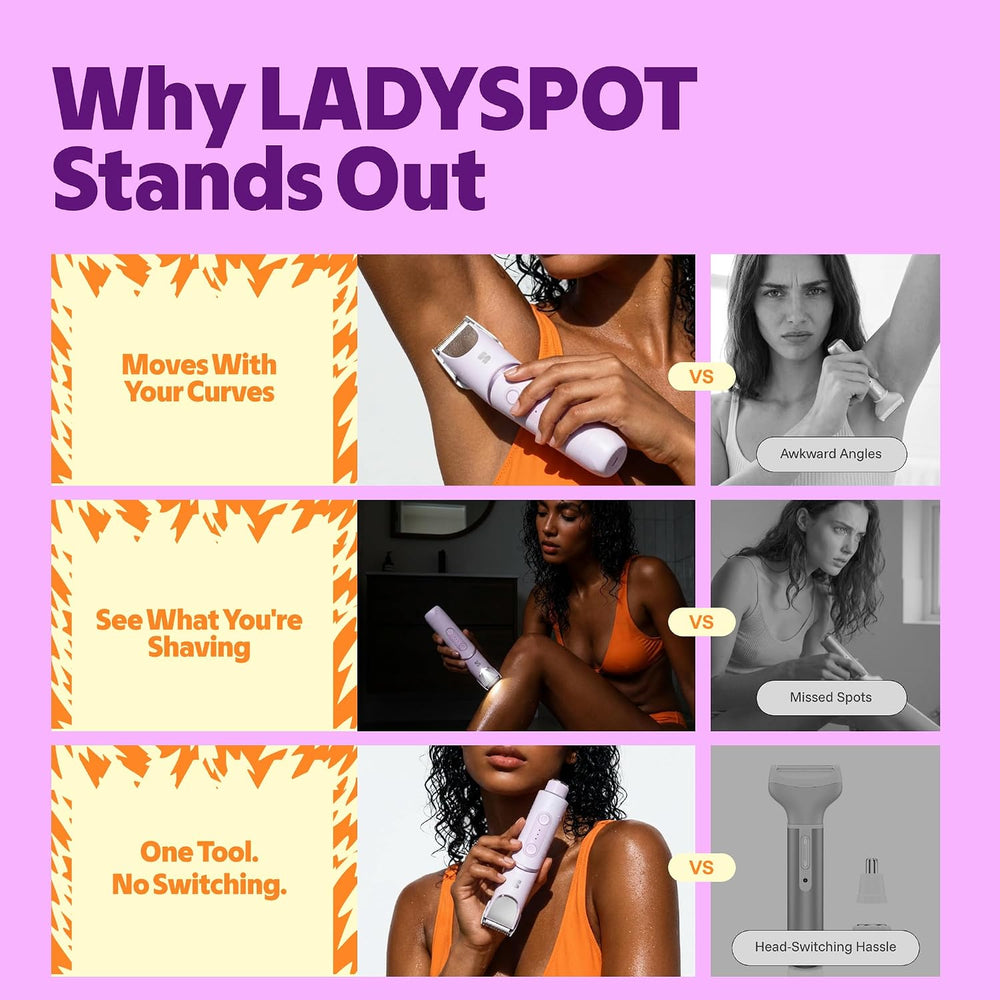
Choosing a bikini shaver and trimmer becomes much easier when you understand that trimming and shaving usually serve different purposes. A trimmer helps control length and shape, while a shaver is designed for a closer finish. The best choice often depends on your preferred routine, the areas you want to maintain, and how much control you need during each step. Instead of focusing only on individual features, look at how the tool fits into your grooming process: trim first for control, then shave when you want a smoother result.
Choose Based on Your Grooming Routine
The right bikini grooming tool depends on whether you mainly need length management, a closer finish, or a combination of both. If you prefer maintaining a specific length, a trimmer-focused option may be enough. If you prefer a smoother finish after reducing longer hair, a shaver can become the second step.
For many users, a combination approach is more practical because different stages require different levels of control. Starting with trimming can make the process more manageable, while a closer finishing step can help achieve the desired final appearance.
Before choosing a device, consider four main questions:
-
Which body areas will you use it on?
-
Do you want to maintain length or create a closer finish?
-
How much control do you need while grooming?
-
How easy is the tool to clean and maintain?
Understanding these factors helps you choose a tool based on your actual routine rather than simply comparing specifications.
Selection Criteria: Match the Tool to Your Grooming Goals
Consider the Area You Plan to Groom
Different areas may require different levels of precision. Bikini grooming often involves areas where visibility, movement, and control matter. A tool that feels easy to handle can make it simpler to adjust pressure and direction during use.
For areas where you want to keep some length, trimming capability is usually the first consideration. For areas where you prefer a smoother appearance, a shaving function may become more important.
A good selection process starts with your intended use rather than choosing the most advanced-looking option. A tool designed for multiple steps can be useful if your routine changes between maintenance and closer finishing.
Decide Between Length Control and Closer Finishing
The biggest difference between trimming and shaving is the final result.
| Goal | More Suitable Tool Type | Why It Matters |
|---|---|---|
| Maintain a specific hair length | Bikini trimmer | Provides more control over how much hair is removed |
| Reduce longer hair before shaving | Trimmer first | Helps create a more manageable starting point |
| Achieve a closer finish | Bikini shaver | Designed for removing remaining shorter hair |
| Handle different grooming preferences | Combination system | Allows multiple steps in one routine |
A common mistake is expecting one tool function to perform every task equally well. Trimming and shaving solve different problems, so understanding their roles can help you avoid choosing a device that does not match your routine.
Use-Case Comparison: Which Approach Fits Your Routine?
A simple way to choose is to think about how you normally groom.
Routine 1: Regular Maintenance
If your main goal is keeping hair neat and controlled, trimming may be the most important function. A trimmer allows you to decide the preferred length and maintain it over time.
This approach is often suitable for users who do not need a very close finish every time and prefer a simple maintenance routine.
Routine 2: Trim First, Finish Second
Some grooming routines work better as a two-stage process. First, longer hair is reduced with a trimmer. Then, a shaver can be used when a closer finish is preferred.
This approach can provide more flexibility because each step has a clear purpose. The trimming stage focuses on control, while the finishing stage focuses on the final result.
A tool designed around both steps, such as a bikini shaver and trimmer, can be considered by users who want a more complete grooming routine instead of choosing between separate functions.
Routine 3: Occasional Grooming
For occasional use, convenience becomes an important factor. A tool that is simple to operate, clean, and store may be more practical than one with many features that you rarely use.
The best option is the one that fits your habits. More functions are only valuable when they support the way you actually groom.
Feature Trade-Offs: What Matters Beyond the Basic Function?
Once you understand whether you need trimming, shaving, or both, the next step is comparing practical features.
Control and Handling
Control is important because grooming requires careful movement and adjustment. A tool that is comfortable to hold and easy to guide may help users manage different areas more confidently.
Features that improve handling can be more valuable than simply adding more functions. A device with many settings may not be useful if it feels difficult to control during use.
Cleaning and Maintenance
Grooming tools need regular cleaning to remain ready for future use. When comparing options, consider how easy it is to remove hair, clean components, and maintain the device.
Simple maintenance routines are usually easier to follow consistently. A tool that requires complicated care may become less convenient over time.
Wet or Dry Use Considerations
Some grooming tools are designed for dry use, while others may support wet environments. This can influence where and how you prefer to use the device.
Always check the product instructions for the intended usage conditions. The most suitable option depends on your personal routine, bathroom setup, and cleaning preferences.
Buying Checklist: Questions to Ask Before Choosing
Before making a decision, review these practical points:
-
Do I mainly need length control, a closer finish, or both?
-
Will I use the tool for regular maintenance or occasional grooming?
-
Do I need one device that supports multiple steps?
-
Is the tool easy to hold and guide?
-
Can I clean and maintain it without unnecessary effort?
-
Does the design match the areas where I plan to use it?
This checklist helps shift the decision from “which tool has the most features?” to “which tool supports my actual grooming process?”
Conclusion: Choose the Tool That Matches Your Routine
A bikini shaver and trimmer should be selected according to how you want to complete your grooming routine. Trimming focuses on control and length management, while shaving focuses on achieving a closer finish. Understanding the difference between these two stages makes it easier to choose the right type of tool.
Rather than looking for a single feature that solves every need, consider the complete process: the areas you groom, the result you want, the level of control you prefer, and how much maintenance you are willing to handle. A well-matched tool is one that makes your routine simpler and fits naturally into your personal preferences.